
Fun Facts About Europe: Discover the Charm of the Continent
 May 12, 2026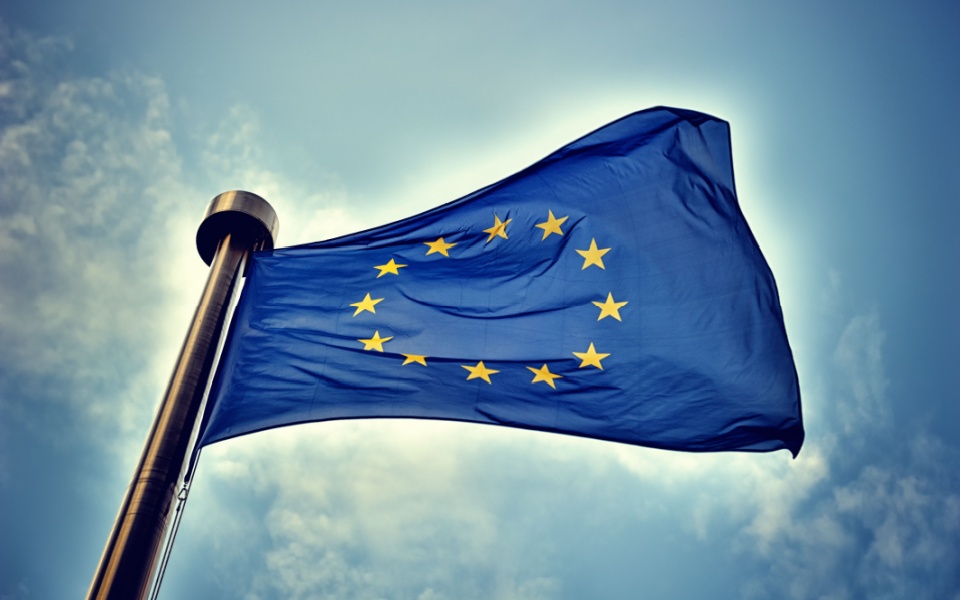
Europe, often celebrated for its rich history, stunning architecture, and diverse cultures, is a continent full of surprises. While many people know about Europe’s famous landmarks and historical figures, there are countless quirky and fascinating facts that fly under the radar. In this article, we’ll explore some lesser-known tidbits and fun facts about Europe that might just make you see the continent in a whole new light.
1. The EU has 24 Official Languages
The EU has 24 official languages that are spoken across 27 European countries with German, French, and Italian are the three most widely spoken languages. While the European Parliament recognises all official languages as working languages, the European Commission abandoned the idea that English, French, and German were "procedural" languages. According to multiple court decisions, the Commission and various other institutions have not exercised their power to specify the language regime under which they operate.
2. Europe is Home to the World’s Smallest Country
Did you know that Vatican City is the smallest country in the world, both in terms of area and population? Nestled within the city of Rome, this tiny independent state covers just 44 hectares (110 acres) and has a population of around 800 people. Despite its size, Vatican City is the spiritual and administrative centre of the Roman Catholic Church and home to some of the world’s most famous artworks, including Michelangelo’s Sistine Chapel ceiling. See our blog on the Renaissance period.
3. The European Union Has Its Own Anthem and Flag
The European Union (EU) isn’t a country, but it does have some features typically associated with one—like its own anthem and flag. The EU flag consists of a circle of 12 golden stars on a blue background, symbolising unity and harmony among the peoples of Europe. The anthem is “Ode to Joy” from Beethoven’s Ninth Symphony, which reflects the values of freedom, peace, and solidarity shared by the member states.
4. Europe’s Longest Place Name is a Tongue-Twister
- Llanfairpwllgwyngyllgogerychwyrndrobwllllantysiliogogogoch: This 58-letter name is the longest place name in Europe and translates to “St. Mary’s Church in the Hollow of the White Hazel near a Rapid Whirlpool and the Church of St. Tysilio of the Red Cave.” In the 19th century, the name was lengthened as a PR gimmick to attract tourists, and it was successful.
5. Europe is the Only Continent Without a Desert
Unlike every other continent, Europe is the only one that doesn’t have a single desert. While some parts of southern Europe, particularly in Spain, can be quite arid and dry, they don’t meet the climatic criteria to be classified as deserts. Instead, Europe is known for its lush landscapes, rolling hills, and dense forests, offering a wide variety of natural beauty.
6. The Eiffel Tower Can Be Taller in Summer
One of Europe’s most iconic landmarks, the Eiffel Tower in Paris, actually changes height depending on the season. During the summer months, the tower can grow by up to 15 centimetres (6 inches) due to the expansion of the iron in the heat. This phenomenon is an excellent example of thermal expansion and a fun fact about Europe for anyone visiting Paris during the warmer months.
7. Five Major Writing Systems
Most European countries use the Latin alphabet as a writing system. The Cyrillic script is used across Eurasian countries including Russia, Bulgaria, Serbia, Ukraine, and Belarus while Greek, a language that had a significant influence on the history of translation, uses its unique alphabet. The differences between these writing systems impose challenges for linguists and translators offering professional translation services.
8. Greenland is Technically Part of Europe
Geographically, Greenland is part of North America, but politically, it’s an autonomous territory of Denmark, making it part of Europe as well. This icy island is the world’s largest non-continental island and is known for its stunning Arctic landscapes, indigenous Inuit culture, and vast glaciers. Greenland’s unique status makes it a fascinating and often overlooked part of Europe’s diversity.
9. Europe is the Continent with the Most Countries
Europe, despite being the second smallest continent by land area, is home to 50 sovereign states. This includes microstates like Monaco, San Marino, and Liechtenstein, which are among the smallest countries in the world. Europe’s political landscape is incredibly complex, with a rich history of shifting borders, alliances, and cultural exchanges, making it a continent of immense diversity and intrigue.
10. The World’s Oldest Zoo is in Vienna
Tiergarten Schönbrunn in Vienna, Austria, holds the title of the world’s oldest zoo, having opened its doors in 1752. Originally created as a menagerie for the imperial family, the zoo is now a modern conservation facility that houses over 700 species, including giant pandas, elephants, and tigers. It’s located on the grounds of Schönbrunn Palace, making it a must-visit for both animal lovers and history buffs.
11. Europe is the Birthplace of Many Iconic Foods
When it comes to culinary delights, Europe is a powerhouse. Many of the world’s most beloved foods originated here, including pizza from Italy, croissants from France, and paella from Spain. Europe’s diverse cultures have contributed to a rich culinary heritage that continues to influence global cuisine. Whether you’re savouring Swiss chocolate or German bratwurst, there’s a taste of Europe in many of the dishes we enjoy today.
12. The Midnight Sun and Polar Nights are European Wonders
In the far north of Europe, particularly in Norway, Sweden, and Finland, you can experience the Midnight Sun—a natural phenomenon where the sun doesn’t set for several weeks during the summer. Conversely, during the winter months, these regions experience Polar Nights, where the sun doesn’t rise above the horizon for an extended period. These phenomena are unique to the Arctic Circle and offer a surreal experience of perpetual daylight or darkness.
Conclusion
Europe is a continent that never ceases to amaze, offering a blend of ancient traditions, modern innovations, and quirky surprises. Whether it’s the fascinating historical facts, unique cultural practices, or breathtaking natural phenomena, Europe is full of fun and unexpected charms waiting to be discovered. So, next time you explore this diverse continent, keep an eye out for these intriguing tidbits—you never know what new fun facts about Europe you might uncover.